Where Our System Is Used Our product is deployed across multiple clinical scenarios and medical specialties, from operating rooms to outpatient clinics, supporting respiratory monitoring in diverse departments and care settings, helping healthcare professionals work more efficiently and confidently in everyday practice.
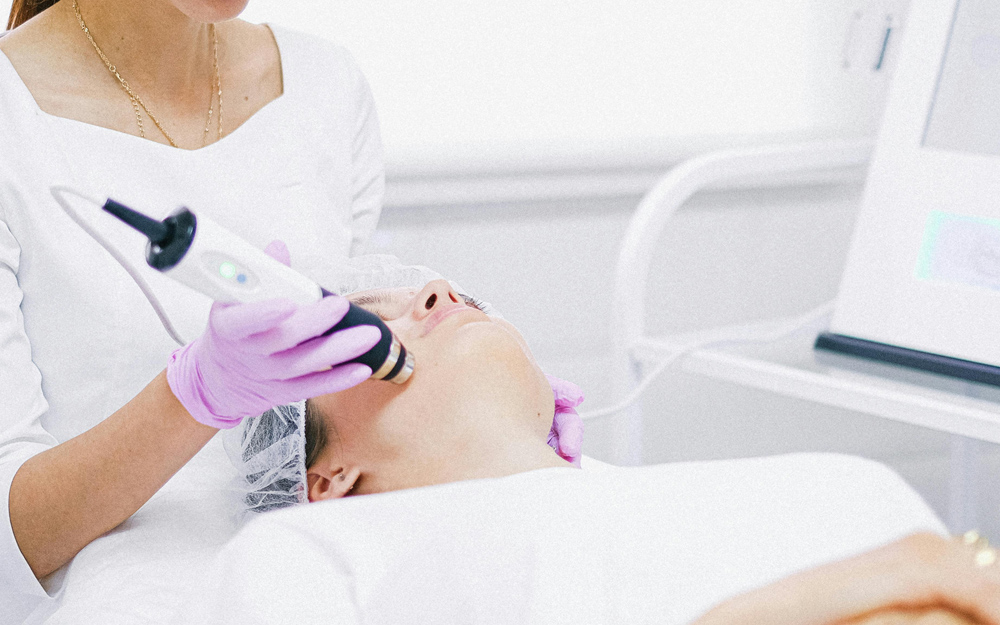
In aesthetic medicine procedures such as liposuction, rhinoplasty, Thermage, and Ultherapy, intravenous sedation is commonly used to ensure patient comfort. Respiratory monitoring is critical due to patient positioning, airway compression, and bleeding. Airmod provides continuous auditory and visual respiratory monitoring via a noise-cancelled neck sensor, enabling early detection of airway compromise during procedures and recovery in privacy-focused aesthetic settings.
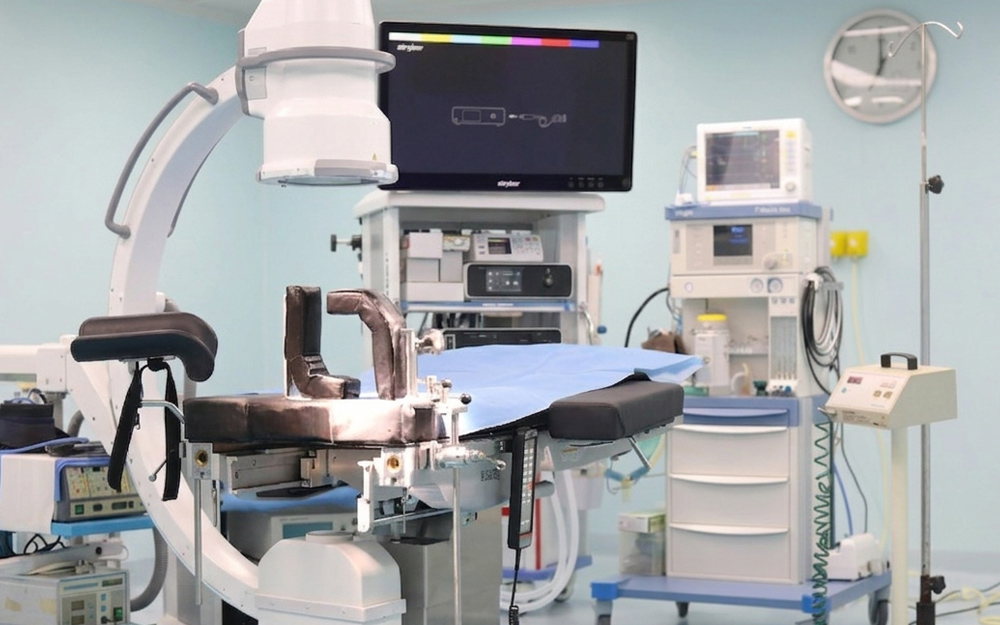
During ERCP sedation, reliable respiratory monitoring is essential yet challenging due to open-mouth procedures and high-flow oxygen delivery. Airmod provides continuous, noise-cancelled respiratory monitoring, even at oxygen flows up to 30 L/min, supporting patient safety during complex ERCP procedures.
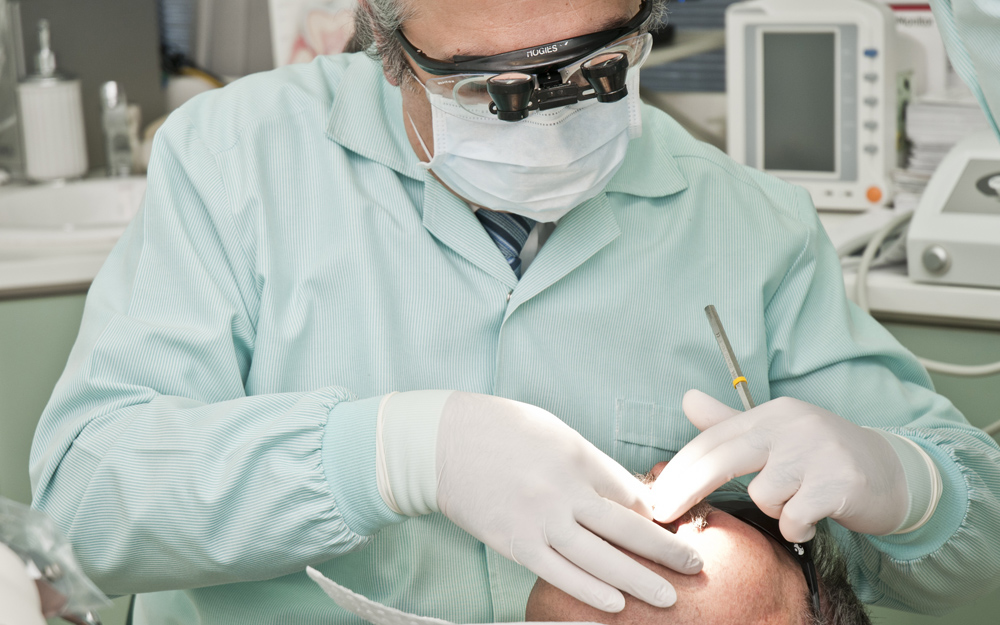
Dental sedation is particularly challenging in pediatric patients, where patient positioning may compress the airway and increase aspiration risk during procedures. Pediatric patients are at higher risk from even subtle airway changes, and their respiratory condition may deteriorate rapidly. Airmod enables continuous respiratory monitoring, allowing clinicians to detect airway compromise even during high-noise procedures such as high-speed handpiece drilling or suction.
During EPS, arrhythmias may be intentionally induced, often requiring intravenous sedation to stabilize the cardiac rhythm. In interventions such as TAVR with TEE, deeper and prolonged sedation is necessary. However, due to limited space and radiation exposure, close patient airway monitoring remains challenging. Airmod provides real-time respiratory sound playback and spectrogram visualization, enabling airway monitoring from the control room with early alerts for respiratory abnormalities.
Intravenous sedation may be required during obstetric procedures, such as wound closure after cesarean delivery, to help new mothers remain calm and rest. Monitoring the airway and respiratory status during the perinatal period is particularly challenging due to the effects of sedation and the risk of rare but life-threatening complications. Airmod supports maternal safety during cesarean delivery.

In prehospital and emergency transport settings, early respiratory changes are often the first sign of patient deterioration. Continuous respiratory monitoring is challenging in ambulances or helicopters, where traditional stethoscopes are impractical. Airmod, used with pulse oximetry, supports early detection of respiratory compromise and safer patient transport in noisy environments.